

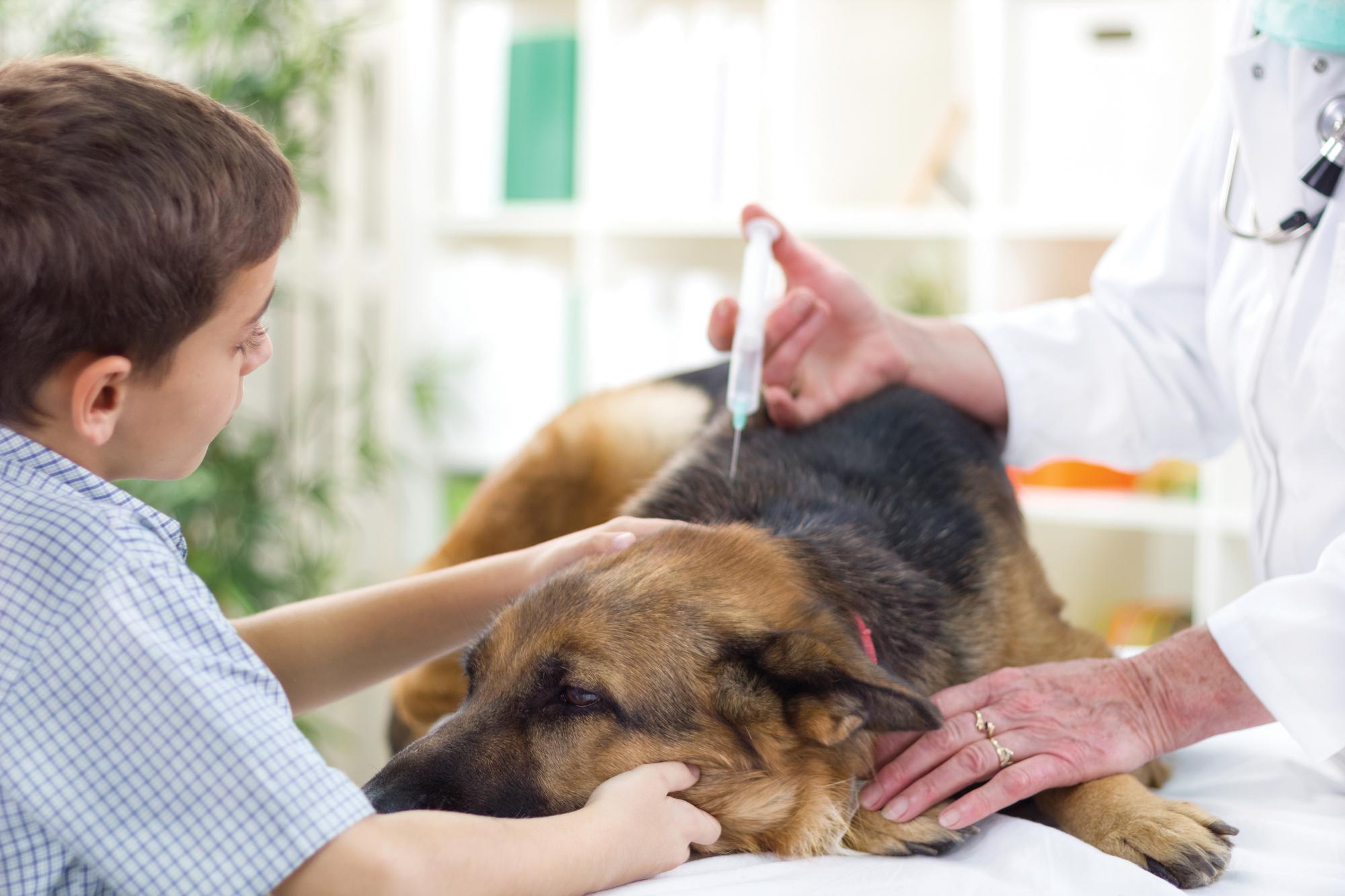
It is clear that vaccines protect our dogs from serious infectious diseases. In this article we will tell you which vaccinations are mandatory, when puppies should be vaccinated for the first time, and how often they should be vaccinated to protect them for life.
Should we vaccinate our dogs?
Vaccination has been a much criticized topic throughout time, either because of its high cost, the greed of several pharmaceutical companies, the excess of revaccinations… All of the above has led many people to believe that vaccines produce more side effects than benefits.
We should know and consider that some infectious pathologies have been controlled only as a result of precise vaccination protocols. Vaccines protect our pets from bacteria and viruses. Every dog that is vaccinated helps epidemics to be avoided and controlled. For that reason, by vaccinating your dog you not only save his life, you also save the lives of other animals.
What vaccinations are necessary for a dog?
Canine vaccines prevent dangerous diseases such as canine distemper, parvovirus, leptospirosis, canine infectious hepatitis, rabies, kennel cough, babesiosis or Lyme disease.
Mandatory and optional vaccinations for your pet
Mandatory vaccinations are essential to defend our dog and us from pathogens. These vaccinations are a must for your pet. In addition, if you wish to travel with your dog, you should know that, in order to enter many countries, you need to show the vaccination card.
Here are the diseases against which it is mandatory to vaccinate your dog:
- Canine distemper → It is a quite contagious viral pathology that can produce serious gastrointestinal inconveniences, respiratory disorders or convulsions and paralysis.
- Chronic canine hepatitis (CCH) → Commonly, it is contracted through water or food contaminated with urine. Primarily, it causes fever and kidney and eye inflammations. If the virus manages to damage the liver, it causes apathy, vomiting and diarrhea. It can also lead to death, especially in young or weak dogs.
- Parvovirus → It is caused by the canine parvovirus (highly contagious and resistant DNA virus). The most susceptible to death are puppies, thanks to intoxication or dehydration by severe vomiting, high fever (up to 41.5 °C) and bloody diarrhea. Still appearing to have overcome the pathology, the animal usually dies 2 years later from immunodeficiency or cardiac drawbacks, which are long-term effects of parvovirus.
- Leptospirosis → It is transmitted by a bacterium called leptospira, which is in contaminated soil and water. This pathology can cause organ failure in adolescent dogs or dogs with a weak immune system. It is often terminal. Leptospirosis can be transmitted to humans, this is why vaccination is urgently suggested, because it is quite a dangerous pathology.
- Rabies → In dogs, it is transmitted by lyssavirus. The symptoms it entails are inordinate salivation and a high degree of aggressiveness. This pathology is terminal, and it can also be transmitted to humans.
Regarding the optional vaccines, the fact that they are optional is based on the fact that the impact they cause is different in each dog. However, this does not make them less relevant. The value of these is dependent on several components: age, constitution and environment. Therefore, the choice to vaccinate the animal will be executed according to its conditions.
When should we vaccinate our canine?
Although there are many opinions on how often dogs should be vaccinated, both veterinarians and owners agree on the importance of vaccinating puppies. Vaccination should begin at 8 weeks of age. The first vaccination is administered between 8 and 12 weeks of age and only activates the immune system. Therefore, it does not make sense to use only the first vaccine. Primary immunization is done with the third injection (from 16 weeks to 15 months, depending on the vaccine).
The World Small Animal Veterinary Association (WSAVA) believes that for most dog vaccines, a renewal every 3 years is sufficient. Some even offer 6 or 7 years of protection. However, kennel cough and leptospirosis vaccines should be renewed annually.
A sick dog or a dog at risk of infection
Puppies or dogs at risk of infection require a more complete vaccination. To find out which optional vaccinations are appropriate for your dog, you should contact your veterinarian.
Dogs that are already sick usually cannot be vaccinated. To minimize side effects, it is important that he is dewormed and in good physical condition at the time of the injection. If your puppy has a fever, diarrhea or other symptoms of illness, he should be treated first.
Side effects of dog vaccines
In general, dog vaccines are well tolerated. The most important thing is that your puppy is healthy and has reached the minimum age (8 weeks) to respond adequately to the active ingredients. This reduces the risk of strong reactions. Possible side effects usually disappear in 2 to 3 days, last up to a week, and are as follows:
- Fever
- Swelling (pain) at the injection site
- Fatigue
- Loss of appetite
You should always contact your veterinarian if you notice these or other symptoms in your dog.
If you are interested in owning a dog of this wonderful breed, find out the price of a cane corso or Italian Mastiff puppy and click on the following link:
